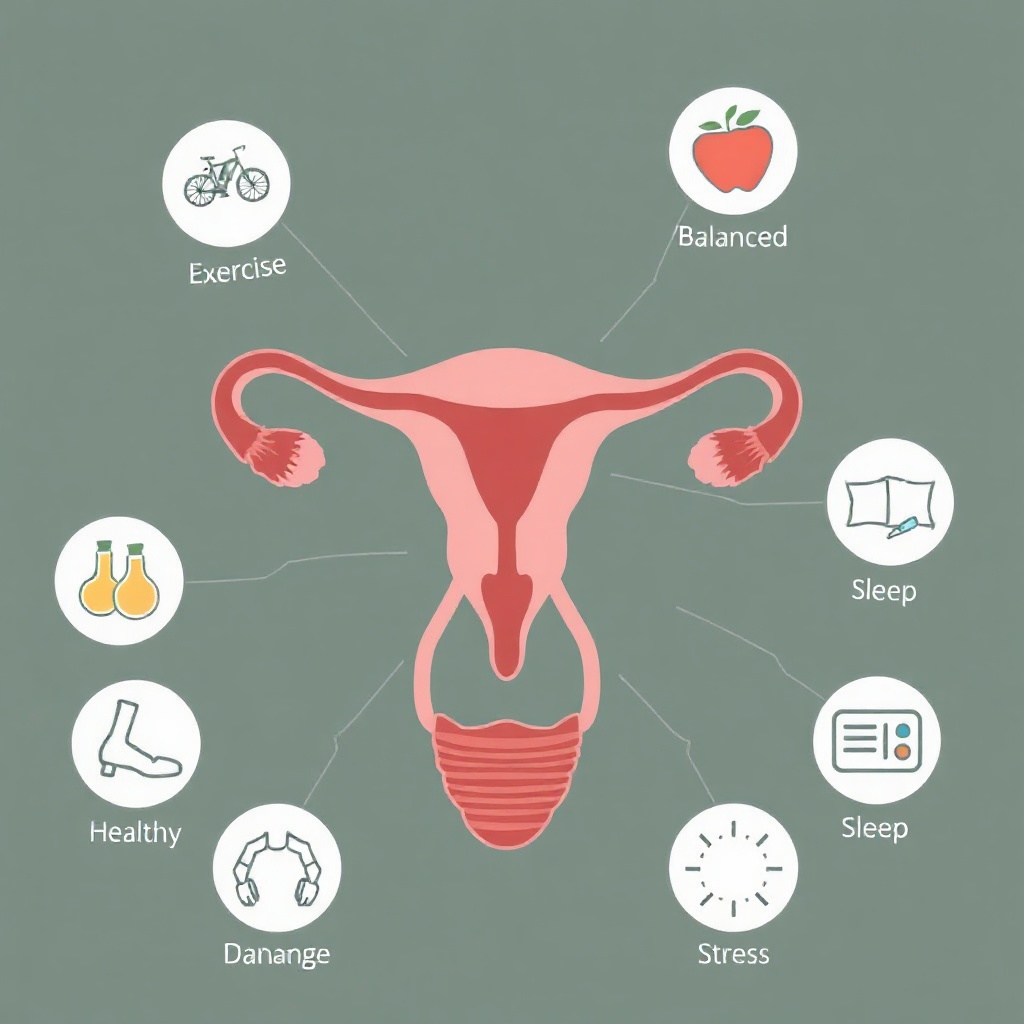
Potency refers to the ability to achieve and maintain sexual function, including erection and satisfactory sexual performance. It’s shaped by physical health, mental well‑being, medications, and lifestyle. Issues with potency are common and often treatable — talk with a healthcare provider to identify causes and safe options.
-
What potency means
Potency covers sexual desire, erectile function, and the ability to complete sexual activity. Normal function varies widely between individuals and can change with age, stress, or health conditions.
-
Common causes of reduced potency
Reduced potency can result from cardiovascular disease, diabetes, hormonal changes, certain medications, chronic illness, mental health issues (stress, anxiety, depression), poor sleep, heavy alcohol use, and smoking. Identifying underlying causes is key to treatment.
-
Lifestyle steps that help
Improving diet, regular exercise, weight management, quitting smoking, limiting alcohol, getting adequate sleep, and reducing stress can all support sexual function. Open communication with a partner and managing mental health are also important.
-
When to see a doctor and treatment options
See a primary care doctor or urologist if problems persist or affect your quality of life. A clinician can evaluate underlying health issues, run appropriate tests, and discuss safe treatments — from counseling and lifestyle changes to prescription therapies and medical devices. Treatment effectiveness varies; your provider will recommend options suited to your needs.